How to Use a Portable Hangboard or Crimp Block
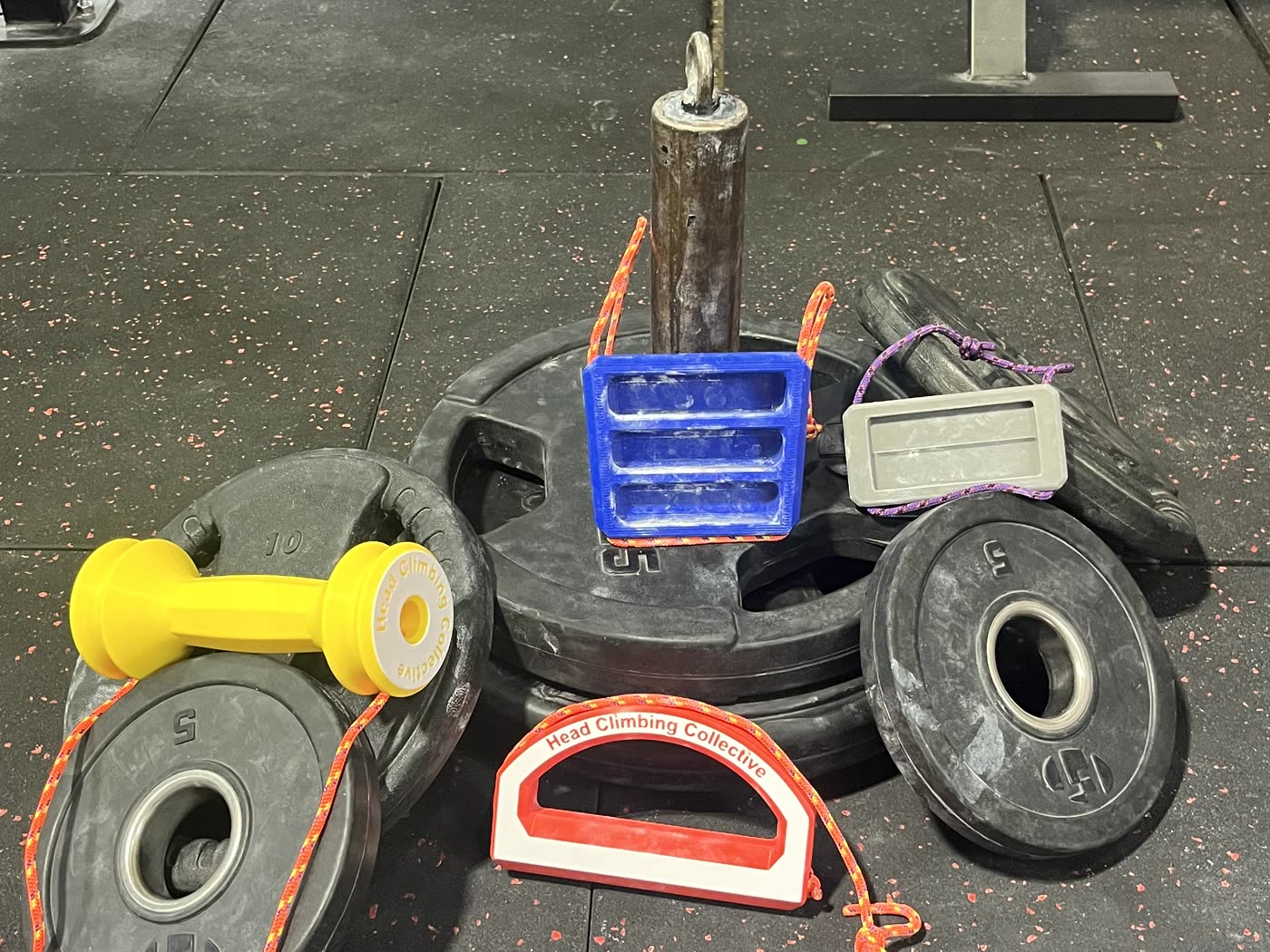
Every Head Climbing Collective hangboard and crimp block comes with an accessory cord. That cord is all you need to train almost anywhere: clip it to a bolt, loop it over a branch, stand on it or hang a weight from it.
Here are six simple setups, three for outdoors and three for indoors. Pick whichever suits where you are and what you have with you.
Before You Start
- Keep your feet on the ground. Our blocks and boards are made for finger training, not full body suspension. Stand under the block and take only part of your weight off, or lift a set load.
- Check the cord and knot before each session. Replace a cord that looks worn or fuzzy.
- Only clip to something solid: a bolt, a sturdy bar or a healthy branch.
- Start light and build up over a few sessions.
Outdoors
1. Hang it from a bolt or quickdraw
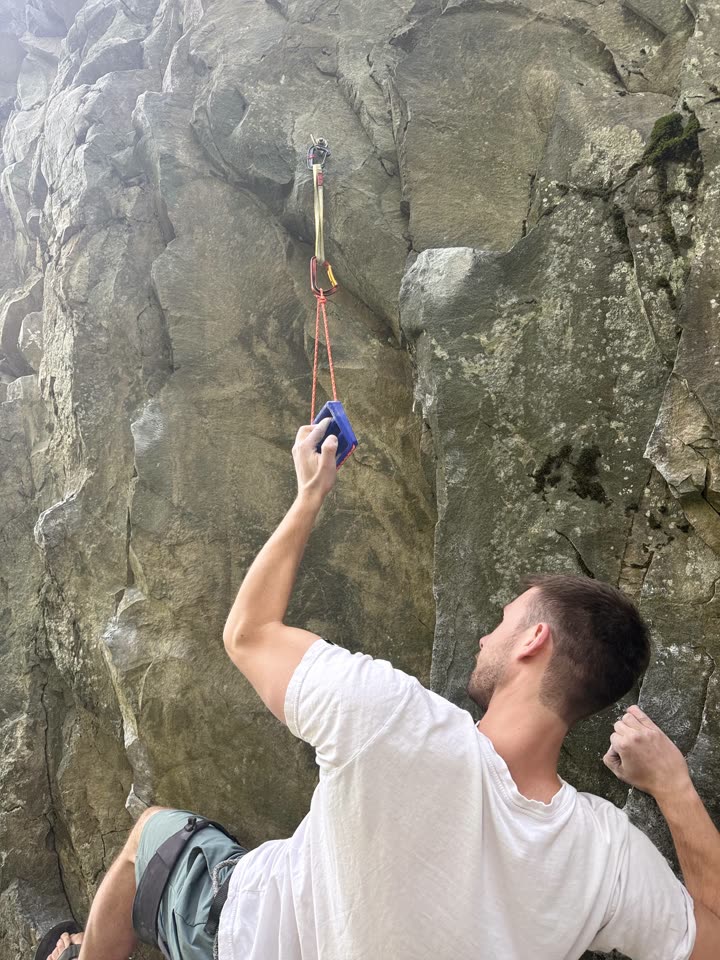
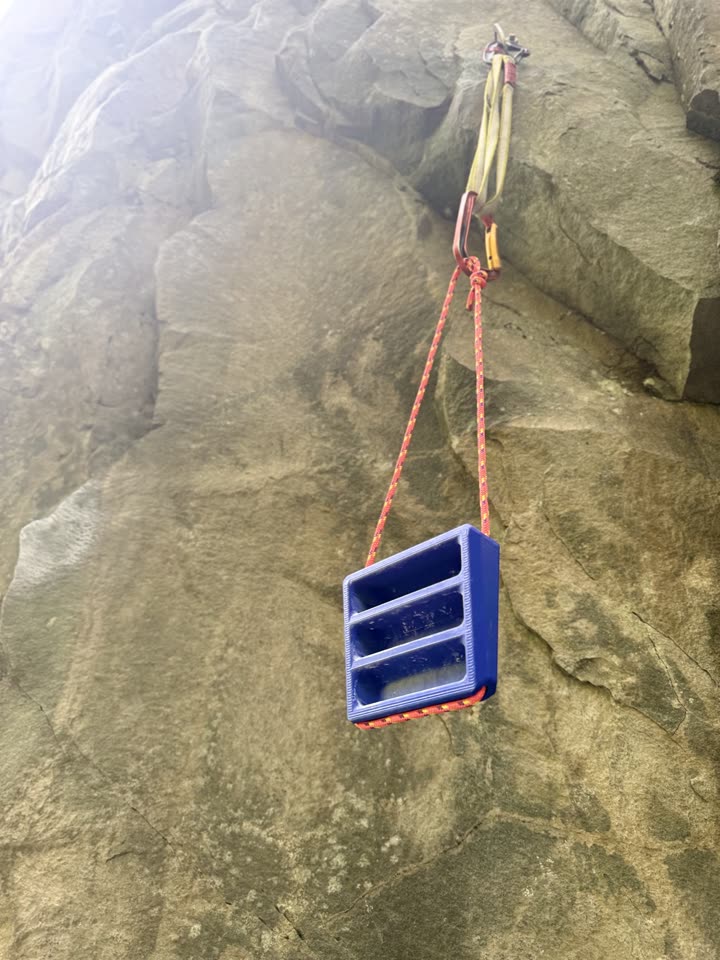
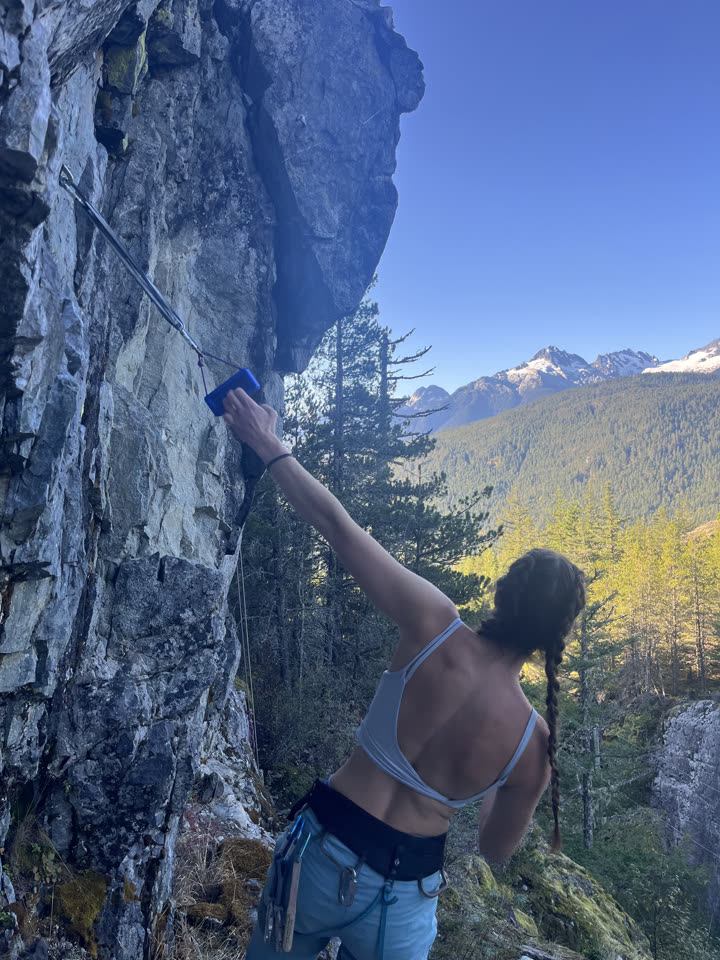
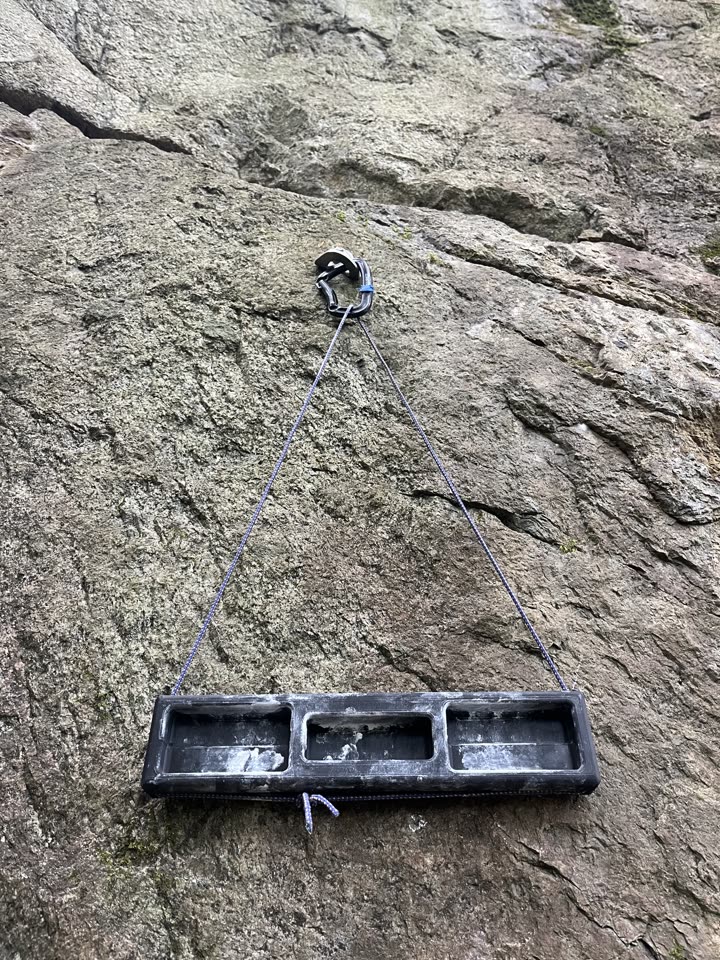
The classic crag warm-up. Clip a quickdraw to a bolt you can reach from the ground and clip the cord to the bottom carabiner. Stand underneath, grab the edge and pull down, using your legs to set how much weight you take off. Let others use the route when they want it.
2. Loop it over a tree branch
No bolt nearby? Girth-hitch a sling around a solid, living branch or a tree trunk at about head height, then clip the cord to the sling. Skip dead or thin branches.
3. Stand on a sling
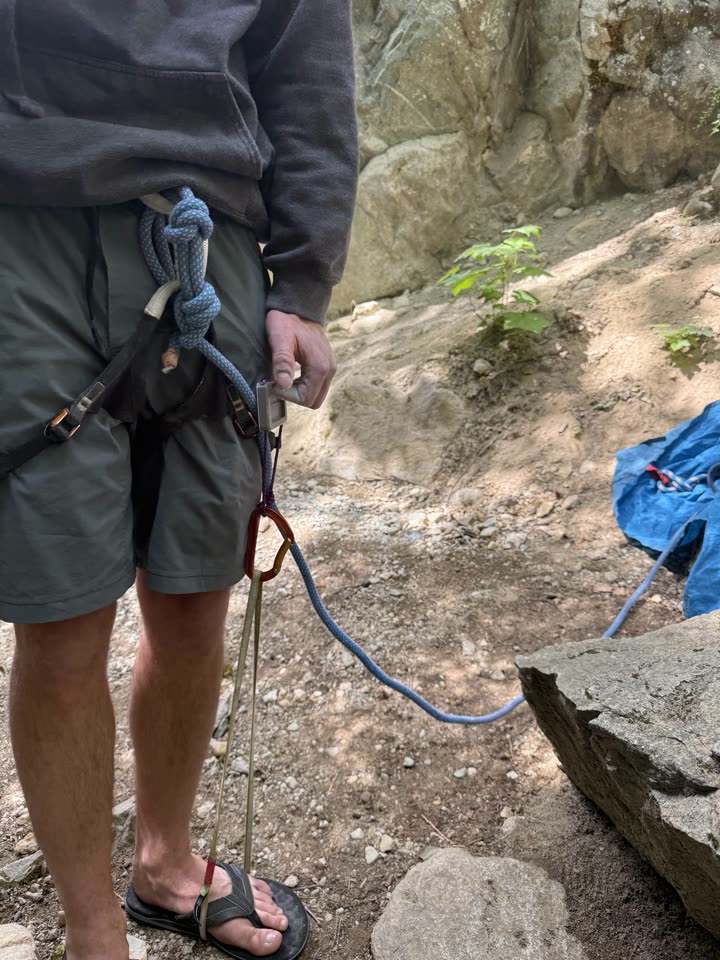
This needs no anchor at all. Clip a sling to the cord, stand on the sling and pull up with a straight arm, like a deadlift with your fingers. Shorten the sling until the block sits near your hip. You set the effort by how hard you pull, which makes it a great warm-up anywhere: at the base of the crag, in the parking lot or in a hotel room.
Indoors
4. Hang it from a pull-up bar or weight rack
Girth-hitch a sling around a pull-up bar or the bar of a squat rack and clip the cord to it. Set the height so you can stand under it with a bent arm, then pull down just like at the crag.
5. Lift weights with a loading pin
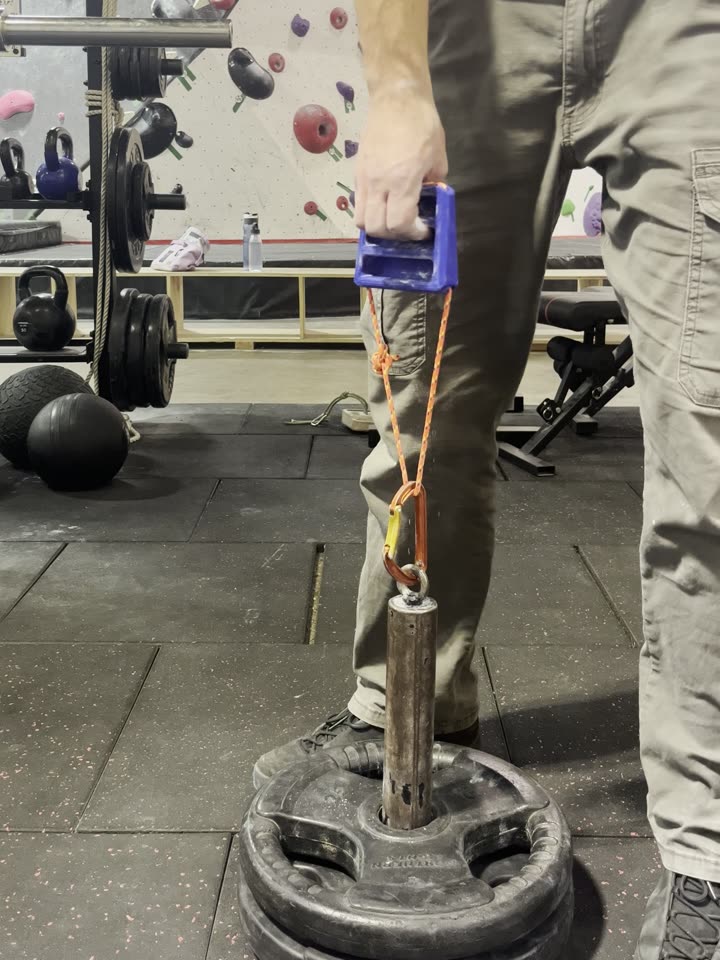
Clip the cord to a loading pin with a carabiner, add plates and lift the pin just off the floor. Because you know exactly what you are lifting, it is easy to track progress from week to week.
No loading pin? Clip or tie the cord around a dumbbell or kettlebell handle instead. Travelling? A backpack or bucket filled with water bottles works too.
6. Pull against a load cell
A load cell such as a Tindeq Progressor measures how hard you pull. Clip the load cell between the cord and a sling under your foot (or a sling anchored to the floor), then pull and read the force. It is ideal for testing strength or following a rehab plan from your physio.
Which Setup Suits Which Product
- Crimp blocks and rails (TriEdge, StepEdge, SlimEdge, MidEdge): every setup above.
- ProGrip Pinch Block: works best lifted. Use a foot sling, a loading pin, weights or a load cell.
- DriftBoard Hangboard: made for two hands, so hang it from a bolt, a branch or a bar.
Not sure which edge to start on? See the product pages, or send us a message and we’ll help.
Frequently Asked Questions
Does it come with a cord?
Yes. Every Head Climbing Collective hangboard and crimp block comes with an accessory cord. Bring a carabiner or a sling for most setups.
Do I need a Tindeq or a loading pin?
No. A bolt, a branch, a pull-up bar or a sling under your foot all work with no extra gear. A loading pin or load cell just makes it easier to measure and track the load.
What is a no-hang setup?
Any setup where you lift instead of hang: standing on a sling, lifting weights or pulling against a load cell. Your feet stay on the ground, so it is easy to control the load and to train anywhere.
Ready to train anywhere? Shop hangboards and blocks, all made in BC, Canada and shipped with a cord.